Scaling Back or Seeking a Second Appraisal: Options for a VA Renovation Loan That Doesn't Cover the Full Project
When the Appraisal Falls Short of Your Renovation Plans
You have your renovation plans drawn up, a contractor bid in hand, and a clear vision for your home. Then the appraisal comes back, and the projected after-renovation value does not support the full cost of the work. For veterans using a VA renovation loan, this is a common hurdle. The loan amount is tied to the property's estimated value after improvements, not to the total of your contractor bids. When that number comes in lower than expected, you have to decide how to move forward without abandoning the project entirely.
Understanding your options early can save weeks of frustration. This article compares the two main paths homeowners face in this situation: scaling back the work scope to match the financed amount, or seeking a second appraisal and possibly a revised contractor bid. Each approach suits a different set of circumstances, and knowing which one fits your project can make the difference between a stalled renovation and a successful one.
Why the Appraisal Might Not Match Your Contractor Bid
The disconnect often starts with how a VA renovation loan works. The lender orders an appraisal that estimates what the home will be worth once the planned renovations are complete. That future value determines the maximum loan amount you can draw. If your contractor bid is higher than the increase in value the appraiser projects, the loan will not cover the full cost. This is not a flaw in the loan program; it is a safeguard. The VA and the lender want to ensure the property's value after renovation justifies the money borrowed.
Several factors can cause the gap. The appraiser may use comparable sales that do not reflect the quality of finishes you have chosen. They might assign a lower value to a new bathroom or kitchen than what your contractor actually charges. Local market conditions also play a role. If home values in your area have been flat, the appraiser will be conservative in projecting any increase. In some cases, the appraiser simply misses the full scope of the renovation plans, especially if the plans were submitted late or were incomplete at the time of the appraisal.
Option One: Scale Back the Work Scope
The most straightforward response is to reduce the renovation plans so the total cost fits within the appraised future value. This means sitting down with your contractor and deciding which parts of the project are essential and which can be postponed or done more modestly.
When This Option Suits You
Scaling back works well when your main goal is to complete the renovation without delay. If you are on a tight timeline, perhaps because of a move-in date or a growing family, waiting for a second appraisal could stall the project for weeks. Reducing the work scope lets you close the loan and start construction sooner.

It also makes sense when the gap is relatively small. A difference of a few thousand dollars might be bridged by choosing less expensive materials or trimming a few square feet from an addition. You can often keep the core of your renovation intact while cutting enough cost to make the numbers work.
Another scenario is when you have some personal savings you are willing to put toward the project. The VA renovation loan does not prevent you from using your own funds alongside the loan. If the appraisal comes in a bit low, you can cover the difference out of pocket. This is not technically scaling back the work scope, but it achieves the same result: the project proceeds as planned without needing a new appraisal.
What to Watch Out For
Be careful about cutting costs in ways that affect the structural integrity or long-term value of the home. Removing a load-bearing wall or downgrading the roofing material might save money now but could create problems later. Work with your contractor to identify areas where reductions are safe. Also, remember that any change to the work scope must be reflected in the renovation plans submitted to the lender. The draw schedule and inspection milestones are tied to those plans. If you decide to swap out a window brand or change the layout of a room, update the plans and get lender approval before proceeding.
Option Two: Seek a Second Appraisal or Revised Contractor Bid
If you believe the appraiser undervalued the after-renovation worth of your home, you can challenge the appraisal. This usually involves providing additional comparable sales or asking your contractor to submit a more detailed bid that justifies the costs.
When This Option Suits You
This path works best when the gap is significant and you have strong evidence that the appraiser missed the mark. For example, if you are building a high-end kitchen in a neighborhood where comparable homes have sold for a premium, the appraiser may not have used the correct comparables. You can supply those sales to the lender and request a reconsideration of value.
It also makes sense when the contractor bid itself is the issue. Sometimes contractors submit bids that include a large contingency or markup. If the bid seems high relative to local norms, ask the contractor to review it and provide a more competitive number. A revised bid that comes in lower can bring the project within the appraised value without changing the work scope.
Another situation is when the renovation plans were not fully submitted at the time of the appraisal. If you added a bathroom or finished a basement after the initial appraisal, the appraiser never saw those elements. In that case, updating the plans and ordering a new appraisal can give you a higher after-renovation value that reflects the full project.
The Process and Its Risks
Requesting a second appraisal takes time. The lender may require you to pay for the new appraisal out of pocket. There is no guarantee the second appraiser will come in higher. In fact, the second appraisal could come in lower, which would make the gap worse. Before going this route, review the original appraisal carefully. Look for errors in square footage, number of bedrooms, or condition of the existing structure. If the appraiser made a factual mistake, you have a stronger case.
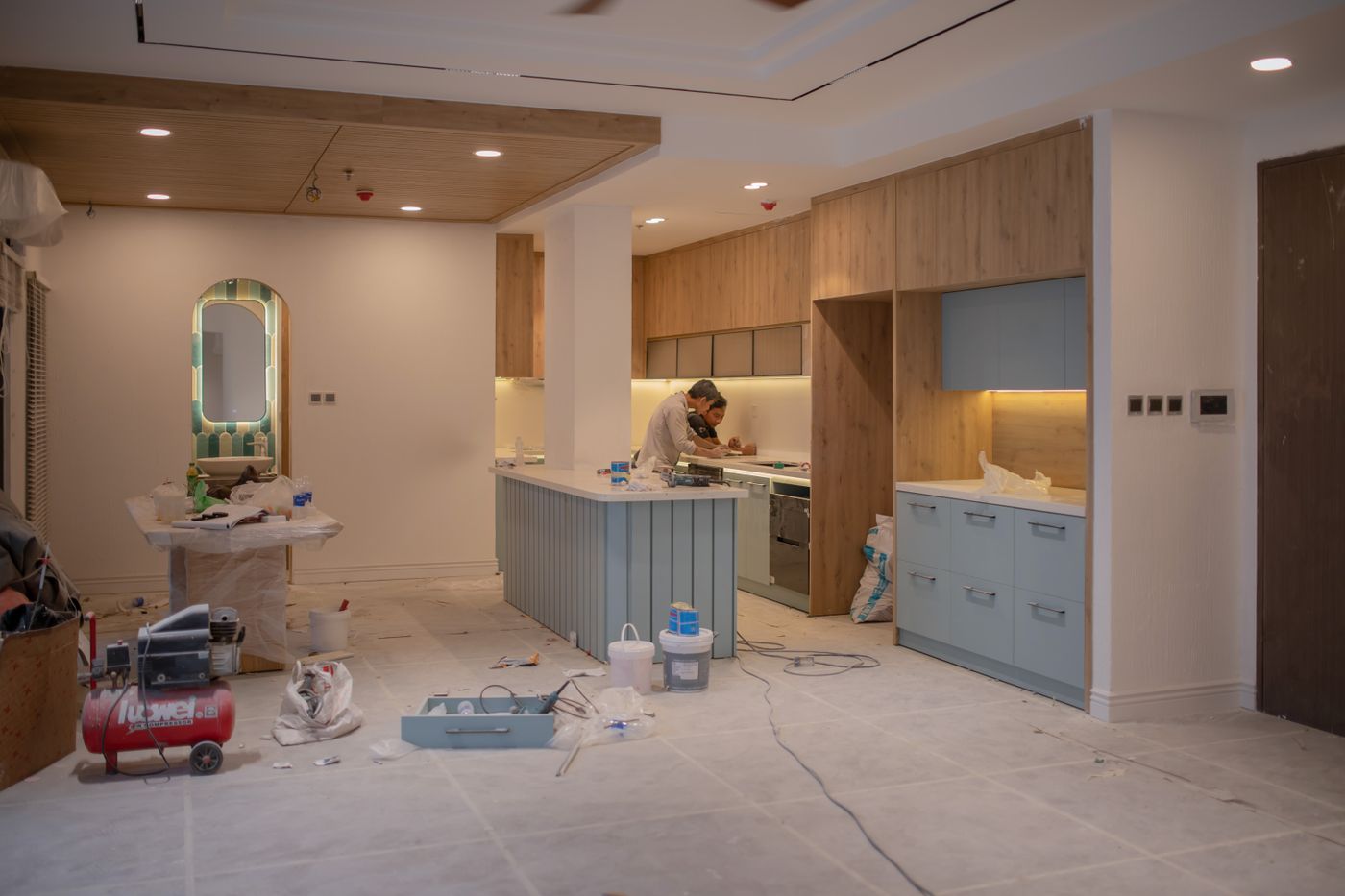
You should also talk to your lender about their policy on appraisal challenges. Some lenders have a formal reconsideration process that does not require a full second appraisal. Others will accept a rebuttal letter from your contractor along with supporting data. This can be faster and cheaper than ordering a new appraisal from scratch.
Comparing the Two Approaches Side by Side
To help you decide, here is a quick comparison of when each option makes more sense:
- Scaling back the work scope is better when the gap is small, your timeline is tight, or you can cover the difference with personal funds. It keeps the project moving and avoids delays.
- Seeking a second appraisal or revised bid is better when the gap is large, the appraiser made an error, or the renovation plans have changed since the first appraisal. It preserves your original vision but takes more time and carries some risk.
In practice, many homeowners end up doing a bit of both. They trim a few non-essential items from the work scope and also ask the contractor to sharpen the bid. The combined effect can close the gap without a full redesign.
The Role of the Contractor and Lender in Closing the Gap
Your contractor is a key partner in either path. For scaling back, they can help you identify which parts of the project deliver the most value for the cost. For a revised bid, they can show the lender why certain costs are necessary. A contractor who understands VA renovation loan requirements will know how to present a bid that the appraiser can support.
The lender also matters. Some lenders are more flexible than others when it comes to appraisal challenges. If you are early in the process, ask your lender how they handle situations where the appraisal does not support the full project. Their answer can help you decide which path to take. Also, check whether your lender allows you to use VA renovation construction financing for a phased approach. If so, you might be able to complete the project in stages, using the loan for the first phase and saving for the second phase later. This is a middle ground that many veterans find useful.
Practical Steps to Take Right Now
Before you choose a path, gather the following information:
- A copy of the appraisal report, including the comparable sales the appraiser used.
- The full contractor bid with a detailed breakdown of materials, labor, and permits.
- The renovation plans as submitted to the lender.
- Any recent sales of similar homes in your area that support a higher after-renovation value.
With these documents in hand, you can have an honest conversation with your contractor and lender. Compare the appraised value to the total project cost. If the gap is small, scaling back is usually the faster route. If the gap is large and you have evidence the appraisal is low, push for a reconsideration or a second appraisal. Remember that the goal is to get the loan closed and the renovation started, not to win a debate about property values.

Final Considerations for Your Renovation Plans
A low appraisal does not mean your renovation dreams are dead. It simply means you need to adjust your approach. Whether you scale back the work scope or challenge the appraisal, the key is to stay organized and communicate clearly with your lender and contractor. VA renovation construction financing is designed to help veterans improve their homes, but it comes with guardrails. Those guardrails exist to protect both you and the lender from overextending on a property that will not hold its value.
If you decide to scale back, keep the long-term resale value in mind. Cutting corners on a new roof or foundation repair might save money now, but it could hurt you when you sell. Focus on essential repairs and upgrades that add real value. If you decide to challenge the appraisal, be prepared for a possible delay. Use that time to refine your renovation plans and ensure every detail is in order. Either way, you are in a better position than someone who ignores the gap and tries to proceed without enough financing.
Ultimately, the right choice depends on your specific project, your timeline, and your budget. By understanding both options, you can make an informed decision that keeps your home renovation on track.